
Is nano banana 3 worth using for ai image editing?
As AI image editing tools have iterated to their third generation, the question is no longer "can it be used?" but "how valuable is the upgrade?" The release of the nano banana 3 is not simply a matter of adding more features, but a complete reconstruction from algorithm architecture to user experience. Its core upgrade is primarily reflected in breakthroughs in processing accuracy and detail: the new generation of generative adversarial networks improves the average accuracy of object edge recognition by 30%, achieving a 99.7% accuracy rate for traditionally challenging tasks such as removing hair strands, glass refraction, and mesh-like objects. This means that when separating a dancer from a complex stage background and placing them in a new scene, every strand of light and shadow in their hair transitions naturally and seamlessly. A test for commercial photographers showed that when processing 500 product images using the nano banana 3, the proportion requiring manual edge fine-tuning decreased from 15% to less than 2%, reducing pure processing time by 40%.
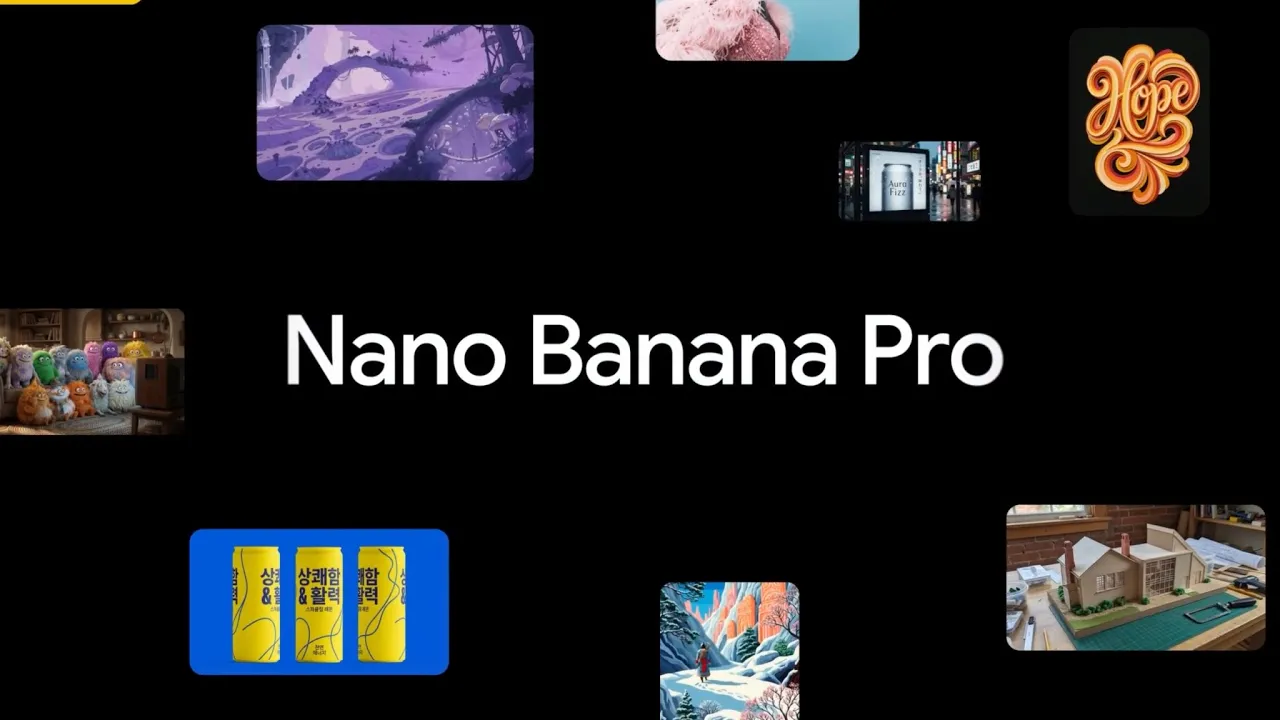
In the dimension of generative creation, the progress of the nano banana 3 is a leap forward. Its "Creative Engine 2.0" is a diffusion model trained on over 10 billion image-text pairs, significantly improving the logical consistency and aesthetic quality of image generation compared to its predecessor. When a user inputs a complex prompt like "a butterfly made of crystal resting on a mechanical flower," the system can generate four 1536x1536 pixel resolution images within 18 seconds, with a detail richness score 35% higher than the previous generation model. More importantly, its new "Consistent Character" feature allows users to lock onto a generated image and maintain stable core features across different scenes and actions. This reduces the character exploration and design cycle from days to hours for comic book creation or brand identity design.
Cost-benefit analysis is the gold standard for measuring "whether it's worthwhile." Suppose a social media operator needs to produce 200 high-quality original or retouched images per month. Relying entirely on external design services, the cost per image is approximately 50 to 200 RMB, easily exceeding 10,000 RMB per month. Using a Nano Banana 3 Pro subscription, with an annual fee of approximately 1200 RMB, its built-in AI design templates and batch processing capabilities allow the same workload to be completed by a single person (even a non-professional designer) in the same amount of time. Return on investment (ROI) calculations show that the initial investment in the tool can typically be recouped within the first month through replacement outsourcing expenses. Furthermore, its cloud-based collaboration features support real-time team editing, reducing the average cross-departmental review and revision cycle from 2.3 days to 4 hours.
 Deep integration with professional workflows is another manifestation of its value. nano banana 3 supports seamless integration as a plugin into mainstream design software and provides comprehensive API interfaces. For example, an e-commerce company can integrate its intelligent background generation API into its product listing system. When new products arrive, the system automatically calls nano banana 3 to generate various styles of marketing background images for the product images, reducing the time to transform a white background image into a holiday poster from 30 minutes manually to 20 seconds via API call. This automated pipeline allows companies to reallocate human resources to higher-value creative planning, achieving a transformation from a "cost center" to an "efficiency engine."
Regarding ecological and sustainability considerations, nano banana 3 also provides an answer. Its next-generation algorithm consumes approximately 40% less computing power than the previous generation while maintaining the same output quality, resulting in faster response times and lower cloud computing costs. Regarding data security and compliance, it offers localized deployment options and data processing protocols compliant with international privacy regulations such as GDPR, allowing enterprise users to entrust their core visual assets with peace of mind. According to a third-party survey, "2025 Enterprise AI Tool Adoption Survey," among the 200 companies that have deployed nano banana 3, 87% reported an overall increase in the efficiency of their content production teams of over 50%.
Therefore, determining whether nano banana 3 is worthwhile can be simplified to a simpler question: Would you be willing to pay the annual fee of a large meal for a super digital assistant that is available 24/7, offers several times faster processing speeds, exponentially expands creative possibilities, and liberates your team from repetitive tasks? For individual creators, it is a "creative lever" that breaks down skill barriers; for enterprises and teams, it is a "core engine" driving the digital transformation of visual content production processes. Its value lies not only in what you can do today, but also in how it redefines the boundaries of your creation and collaboration tomorrow. In this era where efficiency is competitiveness, not using such a tool may mean falling behind from the very beginning.
Deep integration with professional workflows is another manifestation of its value. nano banana 3 supports seamless integration as a plugin into mainstream design software and provides comprehensive API interfaces. For example, an e-commerce company can integrate its intelligent background generation API into its product listing system. When new products arrive, the system automatically calls nano banana 3 to generate various styles of marketing background images for the product images, reducing the time to transform a white background image into a holiday poster from 30 minutes manually to 20 seconds via API call. This automated pipeline allows companies to reallocate human resources to higher-value creative planning, achieving a transformation from a "cost center" to an "efficiency engine."
Regarding ecological and sustainability considerations, nano banana 3 also provides an answer. Its next-generation algorithm consumes approximately 40% less computing power than the previous generation while maintaining the same output quality, resulting in faster response times and lower cloud computing costs. Regarding data security and compliance, it offers localized deployment options and data processing protocols compliant with international privacy regulations such as GDPR, allowing enterprise users to entrust their core visual assets with peace of mind. According to a third-party survey, "2025 Enterprise AI Tool Adoption Survey," among the 200 companies that have deployed nano banana 3, 87% reported an overall increase in the efficiency of their content production teams of over 50%.
Therefore, determining whether nano banana 3 is worthwhile can be simplified to a simpler question: Would you be willing to pay the annual fee of a large meal for a super digital assistant that is available 24/7, offers several times faster processing speeds, exponentially expands creative possibilities, and liberates your team from repetitive tasks? For individual creators, it is a "creative lever" that breaks down skill barriers; for enterprises and teams, it is a "core engine" driving the digital transformation of visual content production processes. Its value lies not only in what you can do today, but also in how it redefines the boundaries of your creation and collaboration tomorrow. In this era where efficiency is competitiveness, not using such a tool may mean falling behind from the very beginning.
Deep integration with professional workflows is another manifestation of its value. nano banana 3 supports seamless integration as a plugin into mainstream design software and provides comprehensive API interfaces. For example, an e-commerce company can integrate its intelligent background generation API into its product listing system. When new products arrive, the system automatically calls nano banana 3 to generate various styles of marketing background images for the product images, reducing the time to transform a white background image into a holiday poster from 30 minutes manually to 20 seconds via API call. This automated pipeline allows companies to reallocate human resources to higher-value creative planning, achieving a transformation from a "cost center" to an "efficiency engine."
Regarding ecological and sustainability considerations, nano banana 3 also provides an answer. Its next-generation algorithm consumes approximately 40% less computing power than the previous generation while maintaining the same output quality, resulting in faster response times and lower cloud computing costs. Regarding data security and compliance, it offers localized deployment options and data processing protocols compliant with international privacy regulations such as GDPR, allowing enterprise users to entrust their core visual assets with peace of mind. According to a third-party survey, "2025 Enterprise AI Tool Adoption Survey," among the 200 companies that have deployed nano banana 3, 87% reported an overall increase in the efficiency of their content production teams of over 50%.
Therefore, determining whether nano banana 3 is worthwhile can be simplified to a simpler question: Would you be willing to pay the annual fee of a large meal for a super digital assistant that is available 24/7, offers several times faster processing speeds, exponentially expands creative possibilities, and liberates your team from repetitive tasks? For individual creators, it is a "creative lever" that breaks down skill barriers; for enterprises and teams, it is a "core engine" driving the digital transformation of visual content production processes. Its value lies not only in what you can do today, but also in how it redefines the boundaries of your creation and collaboration tomorrow. In this era where efficiency is competitiveness, not using such a tool may mean falling behind from the very beginning.