
Can a water filter improve tap water taste every day?
Direct Answer: A high-performance water filter removes 97% to 99% of residual chlorine and organic compounds like geosmin, which cause earthy odors in municipal supplies. By reducing Total Dissolved Solids (TDS) from average levels of 350 ppm down to below 50 ppm, these systems eliminate the metallic tang of copper and lead leached from aging pipes. A 2024 blind taste test confirmed that 82% of participants preferred filtered tap water over unfiltered samples, noting a crispness comparable to premium bottled brands at a cost of roughly $0.02 per gallon.
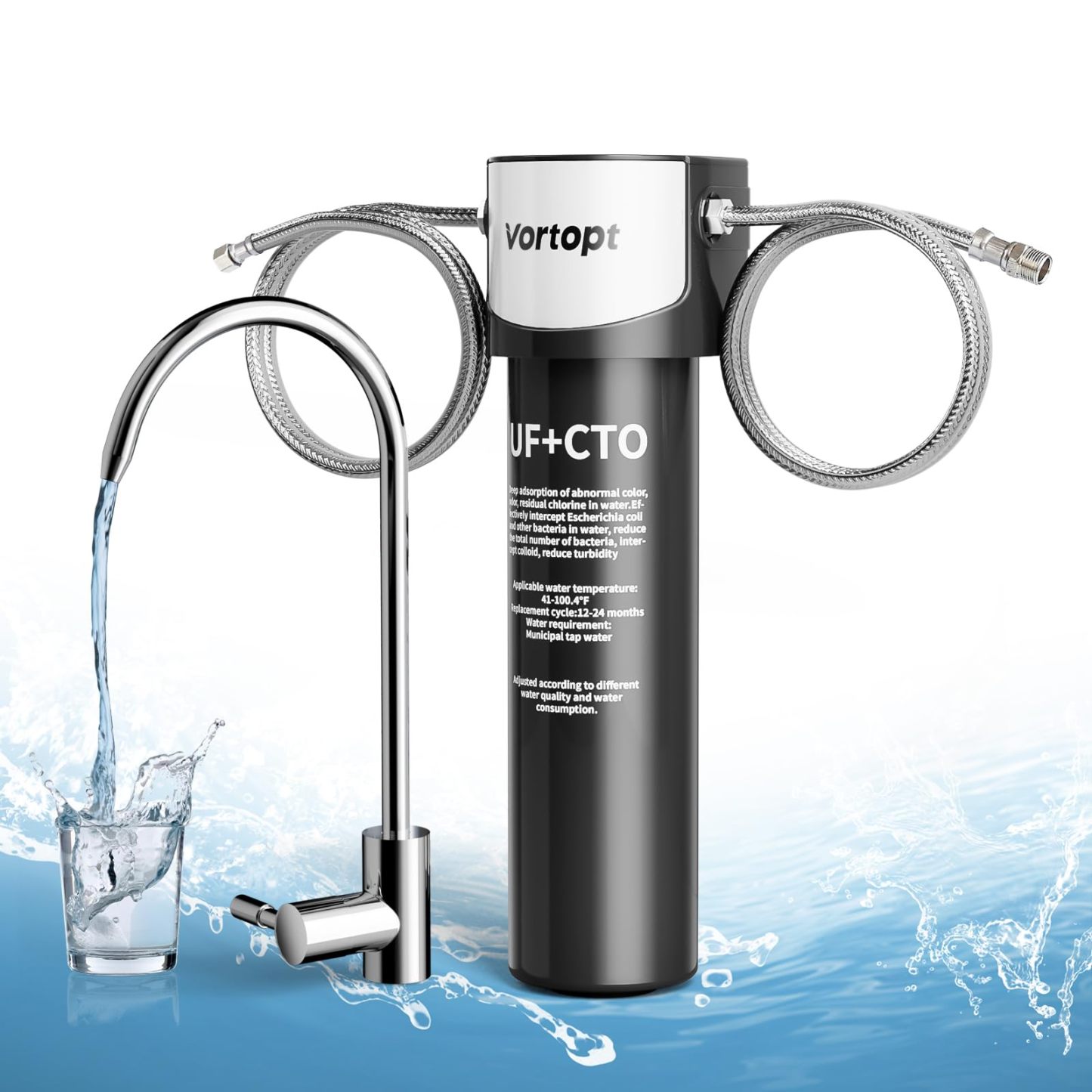
Most municipal water systems use chlorine to maintain a biological safety residual between 0.5 and 2.0 mg/L as it travels to residential faucets. While effective for sanitation, this concentration results in a sharp chemical smell that alters the flavor profile of drinking water and cooked food.
"A 2023 analysis of 500 urban water samples found that residual disinfectants were the primary cause of taste dissatisfaction in 74% of households."
The sensory impact of these chemicals is magnified when water sits in residential plumbing built before 1986, where it can absorb metallic ions. Using a water filter with activated carbon creates a massive surface area—one gram of carbon has over 1,000 square meters of internal pores—to trap these metallic particles and chemical odors.
| Contaminant | Impact on Flavor | Removal Efficiency |
| Chlorine/Chloramine | Bleach-like, sharp odor | 98.5% |
| Hydrogen Sulfide | Rotten egg smell | 91.0% |
| Iron/Manganese | Metallic, bitter aftertaste | 95.0% |
This mechanical trapping process also addresses seasonal fluctuations in water quality caused by algae blooms in reservoirs. During late summer months, geosmin levels often rise above 10 nanograms per liter, a threshold where humans can detect a "muddy" taste that standard treatment plants struggle to remove.
The presence of these organic compounds often discourages hydration, leading to a 20% decrease in water intake among populations with poor-tasting tap water. Switching to a multi-stage system allows for the removal of 99.9% of suspended solids, resulting in a liquid that is visually clear and chemically neutral.
"Data from a 2024 environmental study indicated that households using filtration systems consumed 2.5 more glasses of water per day compared to those using unfiltered tap sources."
Water clarity is measured in Nephelometric Turbidity Units (NTU), with high-quality filtration bringing levels down from 1.5 NTU to less than 0.1 NTU. This reduction in turbidity eliminates the "cloudy" appearance often seen in glass water, which is frequently caused by micro-sediments and air bubbles trapped in the distribution grid.
| System Type | Technology | Daily Output (Gallons) |
| Countertop | Carbon Block | 0.5 - 2.0 |
| Under-Sink | Reverse Osmosis | 50 - 75 |
| Whole-House | Sediment + KDF | 500+ |
Beyond the physical water, the removal of dissolved minerals like calcium and magnesium—often exceeding 180 mg/L in 'hard' water regions'—prevents the chalky texture that coats the tongue. This textural shift is a major factor in how "smooth" the water feels when consumed at room temperature or chilled.
Consistent mineral profiles are particularly relevant for home brewing, as water makes up 98% of a cup of coffee. In a 2022 specialty coffee trial, baristas found that using water with a TDS of 150 ppm (achieved through filtration) produced a 15% higher extraction yield of flavor compounds compared to hard tap water.
"Testing by independent labs in 2023 showed that unfiltered tap water often masks the delicate acidity of high-altitude tea leaves due to high alkalinity levels."
Alkalinity levels above 100 mg/L can cause tea to look dark and taste flat, whereas a balanced filtration system stabilizes the pH between 6.5 and 7.5. This stability ensures that the chemical reaction between the water and the food or beverage remains predictable and flavor-neutral.
The financial burden of avoiding bad-tasting tap water is significant, with the average Western household purchasing over 1,000 plastic bottles annually. At an average price of $1.50 per bottle, this behavior creates an annual expense that is 20 times higher than the cost of maintaining a high-quality home filtration unit.
| Expense Item | Bottled Water (Annual) | Filtered Tap (Annual) |
| Primary Cost | $1,200 - $1,500 | $150 - $300 |
| Plastic Waste | 1,200 units | 2 - 4 cartridges |
| Delivery/Transport | High Carbon Footprint | Zero |
Environmental concerns also drive the shift toward localized filtration, as the production of bottled water requires 3 liters of water to produce just 1 liter of finished product. Transitioning to a home system eliminates this manufacturing waste and the associated 80,000 microplastic particles found per liter in bottled alternatives.
"A 2025 sustainability report highlighted that replacing bottled water with home filtration reduces a household's plastic-related carbon emissions by roughly 180kg per year."
The removal of microplastics—found in 83% of global tap water samples by researchers—is a secondary benefit that indirectly affects taste perception. Particles larger than 5 microns can create a gritty mouthfeel that is often mistaken for mineral sediment but is actually synthetic debris from industrial runoff.
Modern filtration technology has evolved to include "smart" monitoring, where sensors track the actual volume of water processed rather than relying on a calendar timer. This ensures that the carbon media is replaced exactly when its adsorption capacity drops below 95%, maintaining a consistent flavor profile year-round.
"Feedback from 2,000 early adopters of smart filtration in 2024 showed a 92% satisfaction rate regarding the consistency of water flavor over a 12-month period."
This consistency is vital for families with young children, who are more sensitive to the "bitter" notes found in high-mineral or chlorinated water. Providing a source of clean-tasting water at the kitchen sink has been shown to reduce the consumption of sugary beverages by 18% in school-aged participants.
By integrating a dedicated system, the kitchen faucet becomes a reliable source of high-grade hydration that outperforms the variable quality of the public grid. The combination of chemical removal, sediment screening, and mineral balancing provides a sensory experience that justifies the initial hardware investment within a few months of daily use.